
What does the OEM / ODM service include?
Depending on scope, support can include product-definition workshops, standard or custom formulation, eye-patch geometry, samples, packaging coordination, specification alignment, quality planning and commercial production preparation.
OEM versus ODM
| Route | Best for | Typical customization |
|---|---|---|
| Private label / OEM | Faster programs using a qualified starting platform | Brand, pack count, pouch, carton and selected formula or geometry options |
| Custom ODM | Brands that need a differentiated formula, contour or technical story | Formula, matrix, active system, array, patch shape, backing, packaging and evidence plan |
Development stages
- Non-confidential brief: target market, channel, price position, customer, claims, actives, patch format, quantity and timing.
- Feasibility: evaluate category, ingredient compatibility, array and backing options, packaging constraints and development risks.
- Samples: define what each sample round should answer and record decisions against acceptance criteria.
- Pilot and specification: confirm repeatability, finished-pack configuration, tests, artwork and change control.
- Production planning: align MOQ, material lead times, quality release, shipment and reorder assumptions.
What to include in your inquiry
- Target country or region and sales channel
- Product position and allowed cosmetic claim direction
- Preferred active ingredients or benchmark
- Patch dimensions, wear concept and retail pack count
- Sample need, estimated first order and annual forecast
- Required launch date and evidence expectations
One packaging system, from cavity to carton.
- Standard inner pack
- Gray aluminum-foil pouch
- Custom inner / outer pack
- Printed inner foil pouch and outer carton
- Protective component
- Thermoformed tray matched to the patch
- Barrier design
- Moisture, light and oxygen protection considered for the complete package
- Custom variables
- Material, finish and dimensions of patch, inner pack and outer pack
- Eye illustration dimensions
- Trays 12 × 8 cm / 9 × 9 cm; foil pouch 11 × 16 cm; one pair
- PLA sheet illustration dimensions
- Tray 9 × 9 cm; aluminum pouch 11 × 16 cm
- Vial-head illustration dimensions
- Paper–plastic pouch 9 × 9 cm; sterile status requires separate validation
Design-service route
Develop the logo layout, product information and directions for use. Approved artwork moves to sampling and production.
Customer artwork route
Print and pack from complete customer-supplied artwork files, with technical file review and approval of the final version.
From product brief to finished presentation.
- 01
Define the brief
Application, user group and target product format.
- 02
Confirm configuration
Material, needle geometry, actives and pack format.
- 03
Develop samples
Formulation trials and product-format evaluation.
- 04
Approve artwork
Logo, product information, directions and packaging.
- 05
Produce & pack
Confirmed specifications, packaging and delivery.
Define the product
- Material platform and intended application
- Needle height, count and spacing
- Patch shape, dimensions and color
- Ingredient profile and active loading
- Backing and thermoformed tray
Define the presentation
- Patches per pack and component dimensions
- Inner pouch and outer carton materials
- Customer artwork or design-service route
- Logo, labeling and directions for use
- Sample and production specification
Packaging presentation examples.
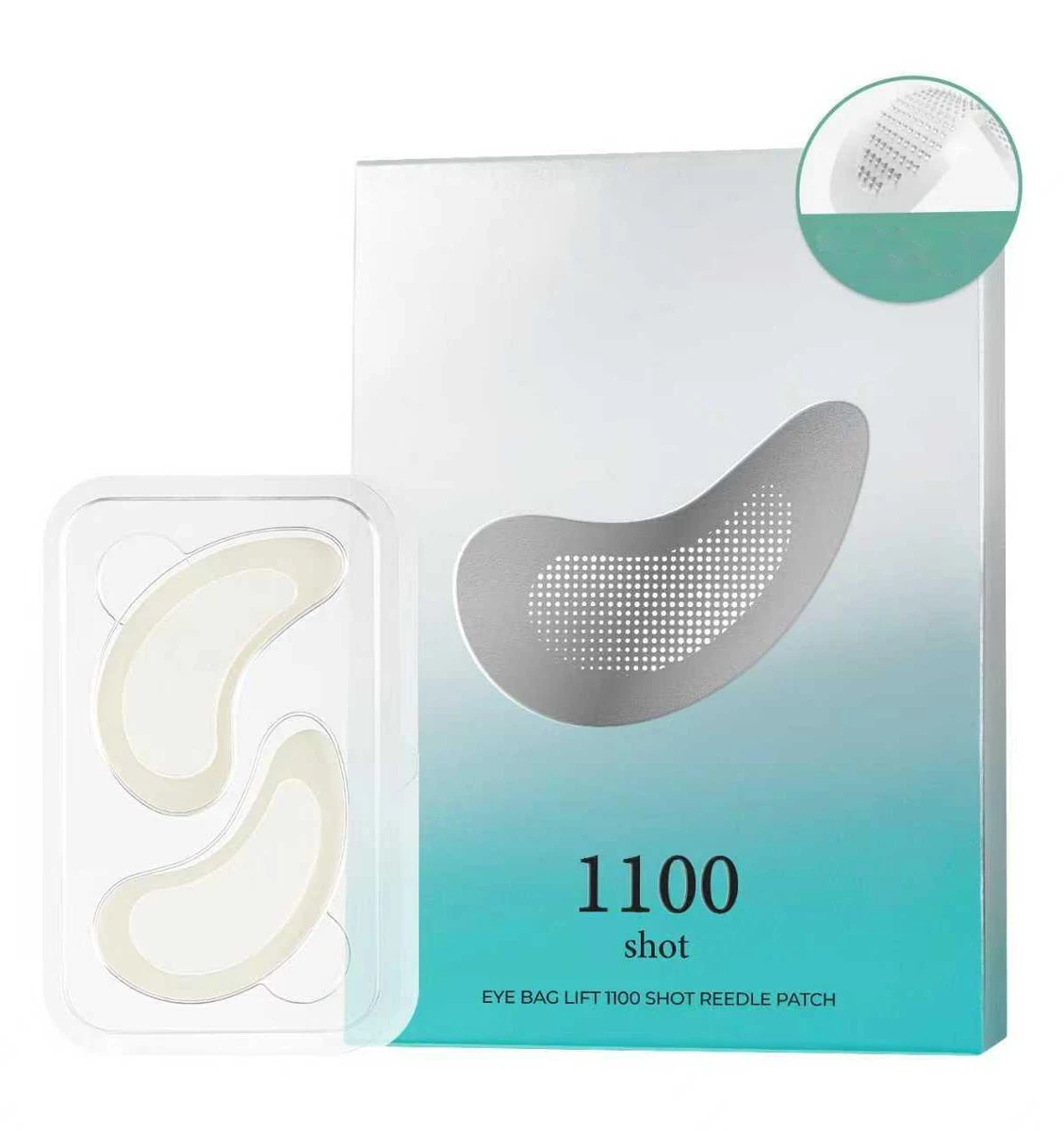
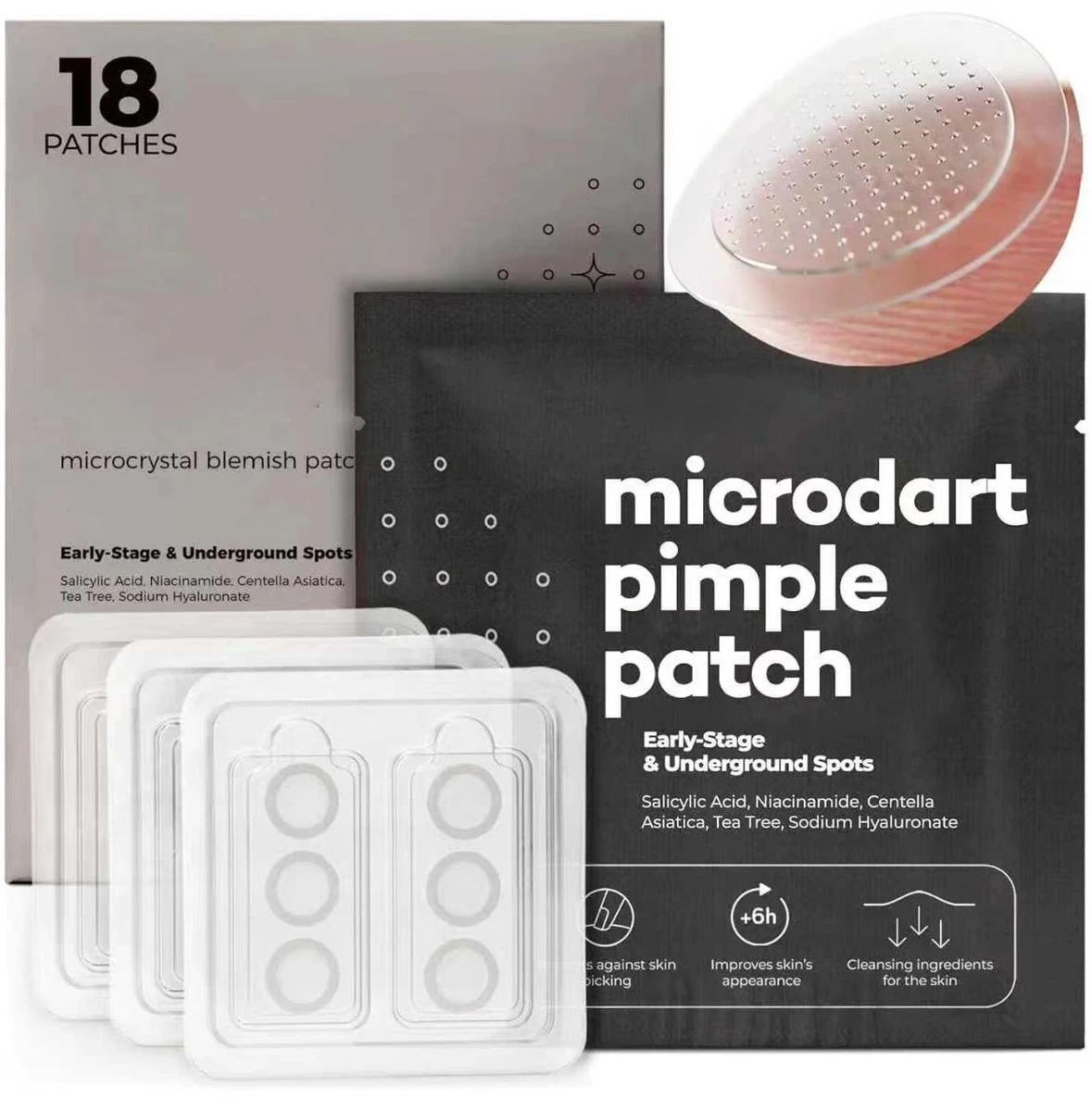
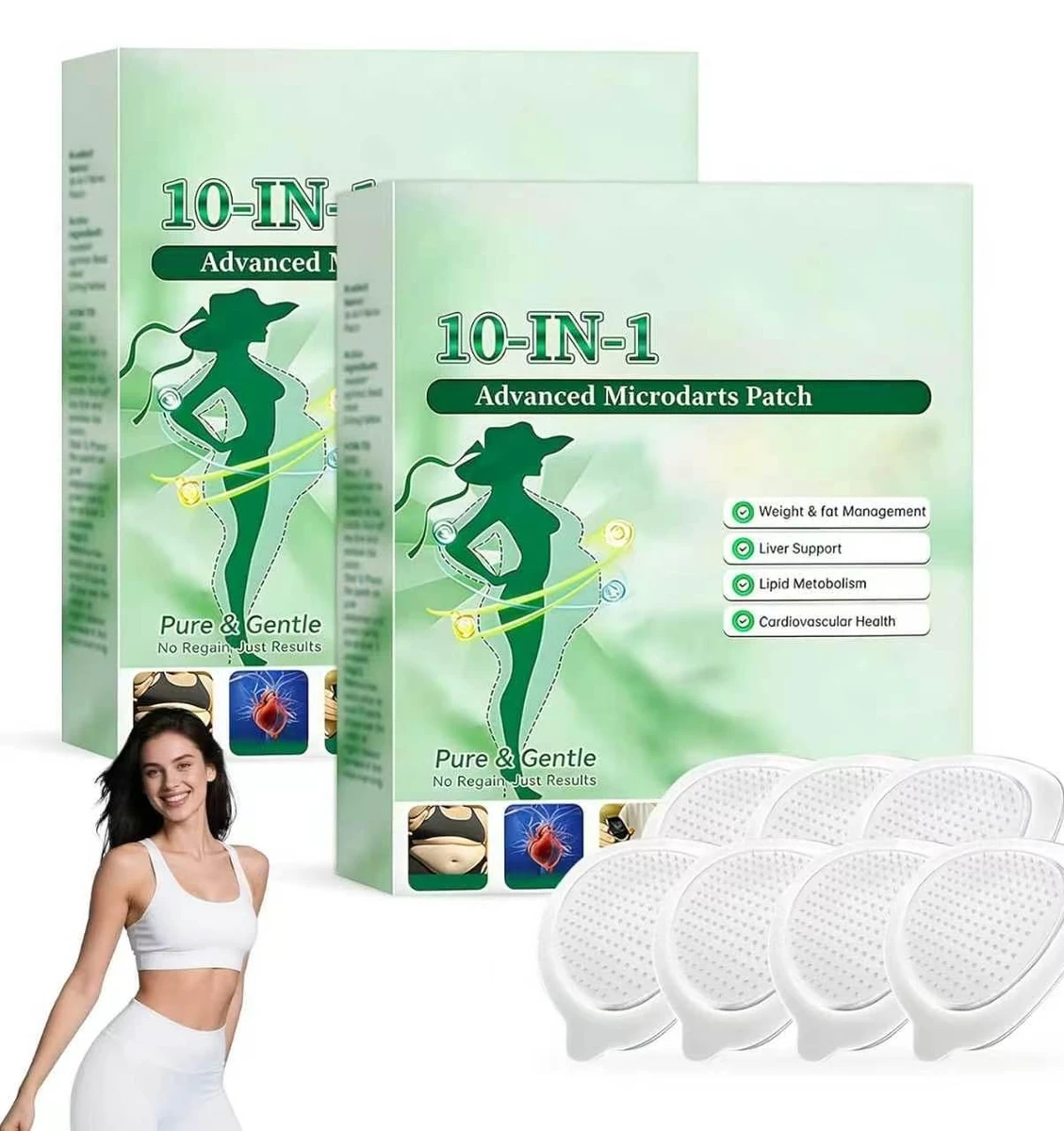
Source-portfolio artwork examples illustrate the pouch and carton design routes. Final branding, artwork rights, pack materials and labels must be approved for your own product.
Source: HYTANBIO Microneedle Product Portfolio, Changzhou Base, 22 pages. Integrated and reviewed 15 October 2026. Catalogue values are configuration references, not finished-product clinical evidence or market authorization.
Download the complete source portfolio · Discuss a configuration brief